School of Architecture Showcases Projects that Strengthen Communities Through Design
- The School of Architecture unveiled three Spring 2026 projects: campus pavilions, community-centered proposals for Colonia Independencia, and a sanctuary dedicated to Mary, Undoer of Knots, highlighting architecture’s power to create meaningful social impact.
As part of its Spring 2026 academic activities, the School of Architecture at the University of Monterrey presented a series of projects that demonstrate how architecture can serve as a catalyst for social engagement, community development, and meaningful human experiences. Developed by students throughout the semester, the initiatives range from temporary installations on campus to urban regeneration strategies and sacred spaces for contemplation, reflecting a shared commitment to design that responds to contemporary social needs.
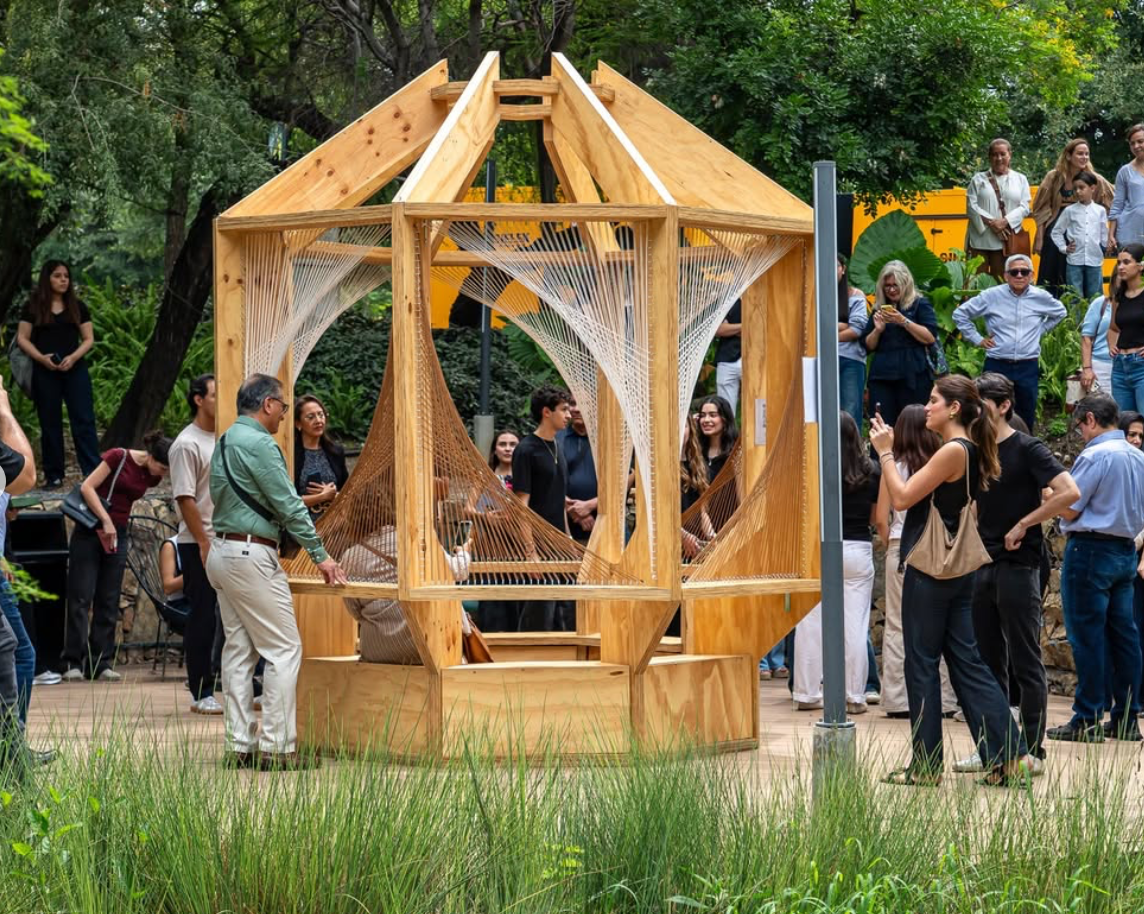
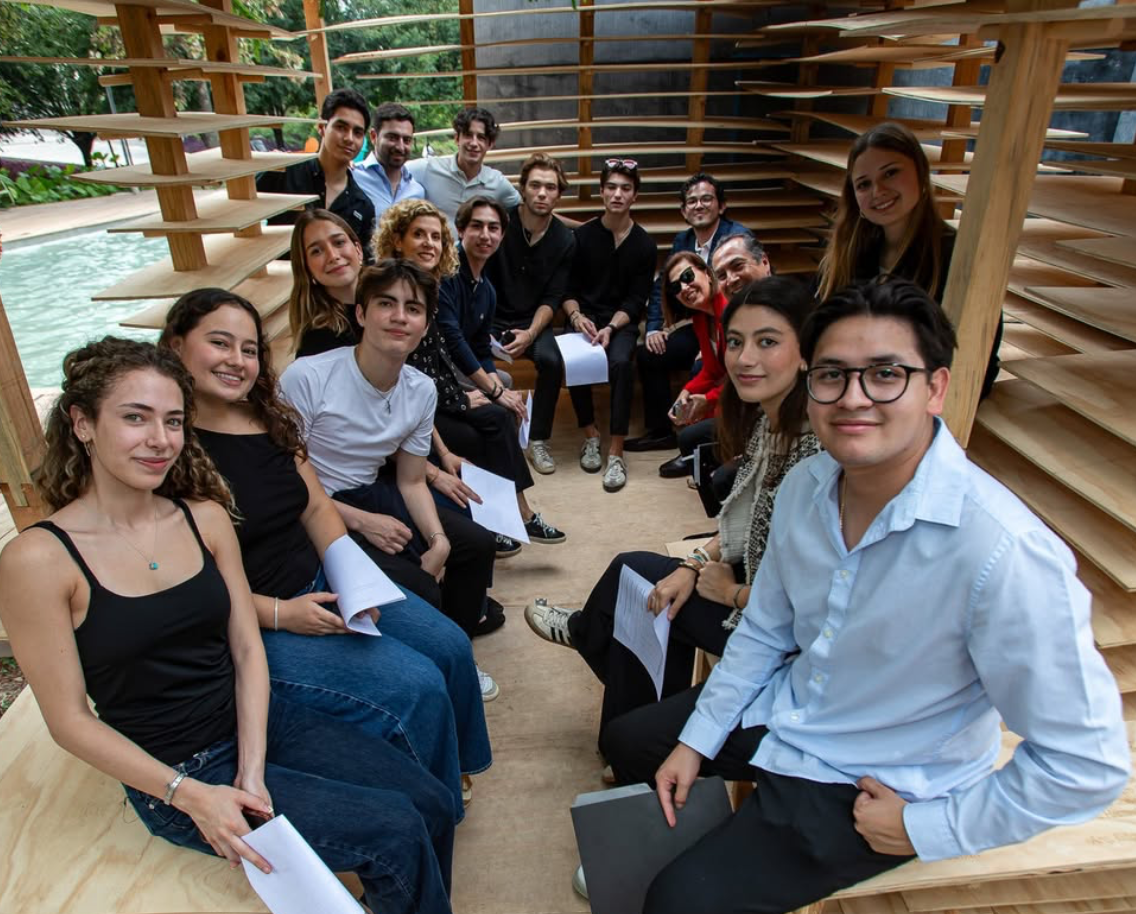
One of the featured initiatives was the Ephemeral Pavilion Exhibition, created by students in the Design Elements Studio course. The exhibition brought together 175 students working in 13 multidisciplinary teams, each responsible for the complete development of a pavilion—from concept and design to fabrication and installation.
Located throughout the university campus, the pavilions invited students, faculty, and visitors to engage directly with the installations and experience a wide range of creative interpretations of fundamental architectural principles. Through explorations of form, materiality, space, and user interaction, the projects transformed everyday campus environments into places of discovery and reflection.
Beyond its academic value, the exhibition also contributed to the university’s ongoing efforts to reinforce and reinterpret its Catholic identity. Several installations were strategically placed in symbolic locations such as the Virgin’s Grotto and the Oasis Garden, sites closely connected to the institution’s founding congregations. By intervening in these spaces, students were encouraged to reflect on architecture’s capacity to shape collective memory, foster belonging, and create meaningful connections between people and place.
Another project presented during the Final Evaluation Project (PEF) reviews was the Comprehensive Community Spaces Project for Colonia Independencia, a proposal developed through extensive research into the urban, social, and cultural dynamics of one of Monterrey’s most historically significant neighborhoods.
Developed in collaboration with Telar A.C., Plan 2040, the city of Monterrey, and the Archdiocese of Monterrey, the initiative incorporates tactical urbanism strategies designed to support community life, learning opportunities, social services, and public well-being.
The project responds to challenges identified within the neighborhood, including social inequality, territorial exclusion, limited access to services, and a shortage of quality community spaces. Despite its rich history and strategic location within the city, Colonia Independencia continues to face conditions that impact residents’ quality of life.
Using a participatory design approach informed by community input, students developed three interconnected proposals aimed at strengthening local identity and fostering greater social cohesion.
The first proposal, the Parish Community Center, is located next to San Rogelio Mártir Parish. The project reimagines an area previously associated with violence as a welcoming gathering place for residents. Through recreational spaces, sports facilities, meeting areas, and accessible outdoor environments, the design seeks to encourage positive community interaction and strengthen social ties.
The second proposal, the Community and Administrative Center for Plan 2040 and Telar A.C., was conceived as a hub to support and expand the work carried out by both organizations. Organized around a central courtyard, the center integrates spaces for education, community assistance, healthcare initiatives, and social programming, creating opportunities for interaction, collaboration, and civic participation.
The third intervention, known as the Pathway of Hope, consists of a pedestrian route of approximately 1.2 kilometers connecting both community centers.
Through accessibility improvements, tactical urbanism interventions, and community participation strategies, the project aims to transform public space into a safer, more inclusive environment while promoting walkability and neighborhood connectivity. Following its selection as the winning proposal in a municipal competition, the project may be implemented through Monterrey’s Participatory Budget Program.
Together, these proposals highlight architecture’s ability to address complex social challenges while creating opportunities for community empowerment, well-being, and long-term urban transformation.
Also presented as part of the semester’s final projects was the Mary, Undoer of Knots Sanctuary, an architectural proposal envisioned as a place of devotion and spiritual reflection dedicated to this Marian devotion.
The project explores how architecture can support contemplative experiences through a carefully choreographed sequence of spaces that guide visitors on a journey of reflection, hope, and spiritual renewal. Light, scale, circulation, and material expression become essential design tools in shaping an environment that encourages introspection and emotional connection.
More than a functional religious facility, the sanctuary is conceived as a meaningful destination where faith, architecture, and human experience converge. Through its spatial narrative, the project seeks to strengthen the relationship between visitors and the sacred, offering an environment that supports both personal contemplation and collective worship.
Through these three initiatives, students from the School of Architecture demonstrated their ability to engage with diverse design challenges from academic, social, cultural, and human-centered perspectives. Together, the projects reflect an educational approach that views architecture not only as the creation of buildings and spaces, but also as a powerful tool for generating positive impact, strengthening communities, and shaping a more inclusive and meaningful future.